How should we call the context file, and what should be inside? This summer, the agentic coding community took a few steps toward agreeing on a standard.
The bikeshed-prone question of how the file should be named seems to be settled: the generic context file will be called AGENTS.md.
Origins
Context files were popularized by Anthropic through their agentic coding assistant, Claude Code. When run in a directory, Claude Code automatically loads any file called CLAUDE.md and attaches its content to the request sent to the LLM.
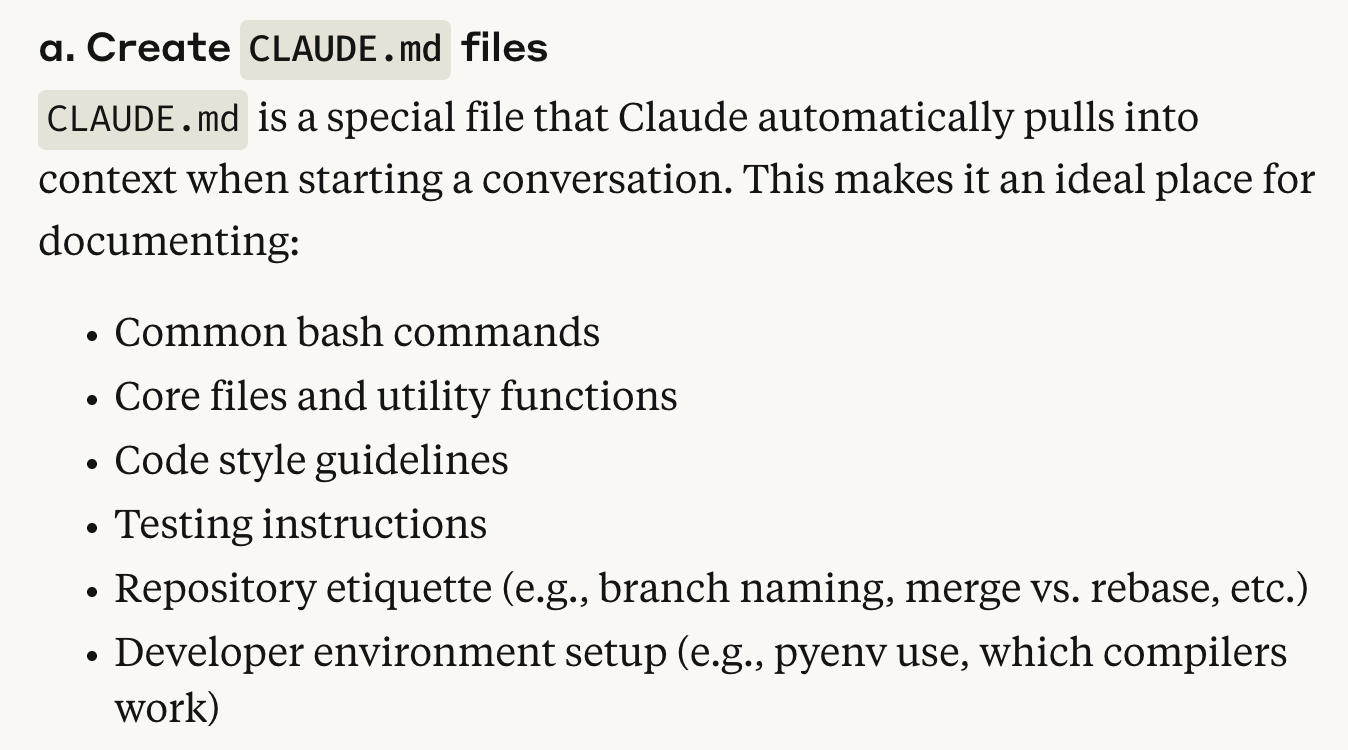
It’s a neat idea! When we set up a good context file, the agent’s performance gets better. As it gets better, we tend to use it more, which helps us further improve and refine the context. It’s a virtuous loop.
It’s also free advertising for Anthropic: as CLAUDE.md files proliferate across the open-source space, more users discover Claude Code.
Need for a standard
The last 12 months have seen a rapid multiplication of coding assistants. Each came with their own flavor of the context file idea. The differences come in two aspects: the filename (so the tool can autoload it) and the best practices for writing one.
Regarding the file name:
- AMP
autoloads
AGENT.md(noS) - OpenAI Codex
autoloads
AGENTS.md(with anS) - Claude Code
autoloads
CLAUDE.md - Gemini CLI
autoloads
GEMINI.md - Cursor
autoloads
.cursor/rules - Cline
autoloads
.clinerules/rules - Roo
autoloads
.roorules/rules
As for the best practices, each provider will have their own take on what’s best to put in the model instructions. However, these guidelines are often applicable across models. Moreover, the 2025 coding tools landscape is heterogeneous: most open-source projects will have contributors using different coding agents.
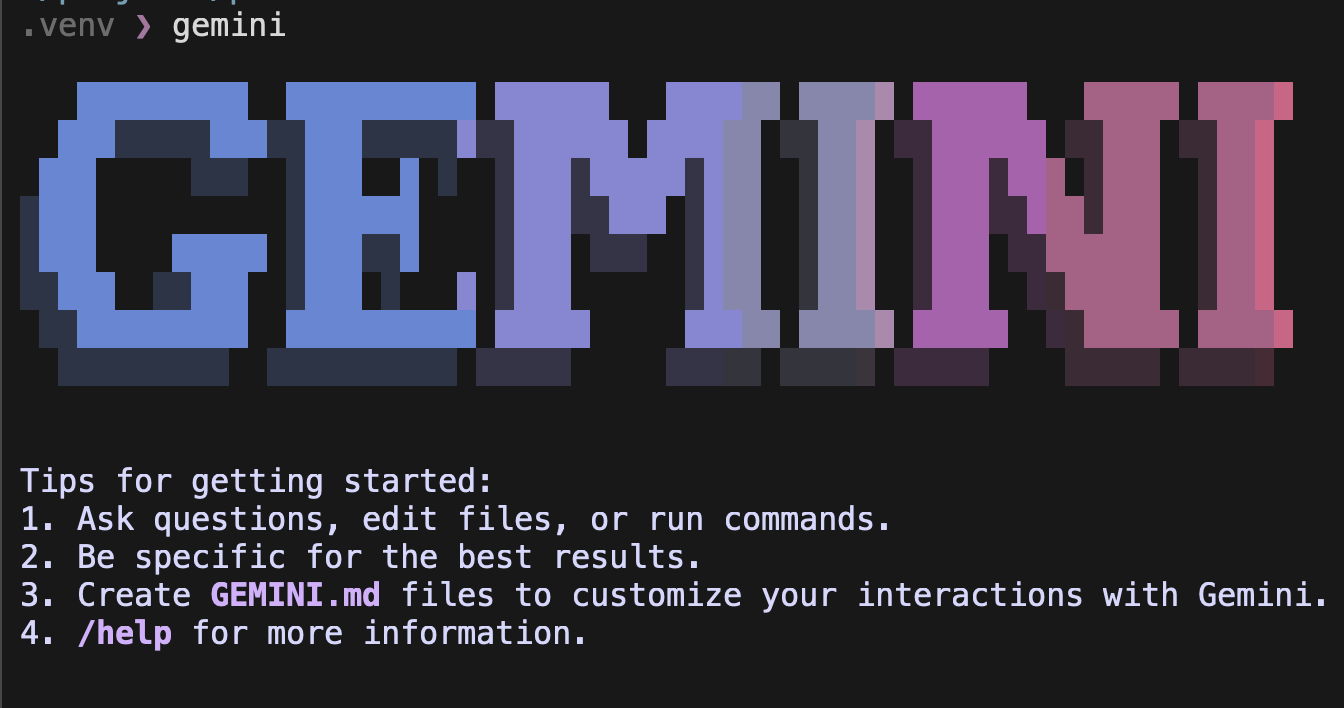
All this creates an opportunity to supersede (or supplement) the proprietary standard with a generic convention for context files. Defined in one place per project, these context files should be loaded by any coding agent that wants to play well with the rest of the ecosystem.
AGENT.md vs AGENTS.md
Of the agents listed above, both AMP and OpenAI used generic names: AGENT.md and AGENTS.md, respectively. This made them obvious candidates for the standard name.
In May, Quinn from AMP proposed
that the community converge on AGENT.md. They had secured the agent.md
domain to host guidelines and best practices, and the agents.md domain was unavailable.

Then, OpenAI announced that they had bought the other domain (agents.md ) and would publish their own take on best practices there.

At which point, AMP honorably responded
that they would align with AGENTS.md:

AGENTS.md becomes the convention

Roo Code added
support for AGENTS.md in July. AMP has already announced they will recommend AGENTS.md and set their agent.md
website to redirect to OpenAI’s agents.md
.
It seems AGENTS.md it is, and we can go back to vibe coding.
For proprietary agents that don’t want to join in, good old symlinks do the job:
ln -s AGENTS.md CLAUDE.md
ln -s AGENTS.md GEMINI.md
Next steps
The next frontier will be agreeing on the generic best practices for what to put in those files.